-
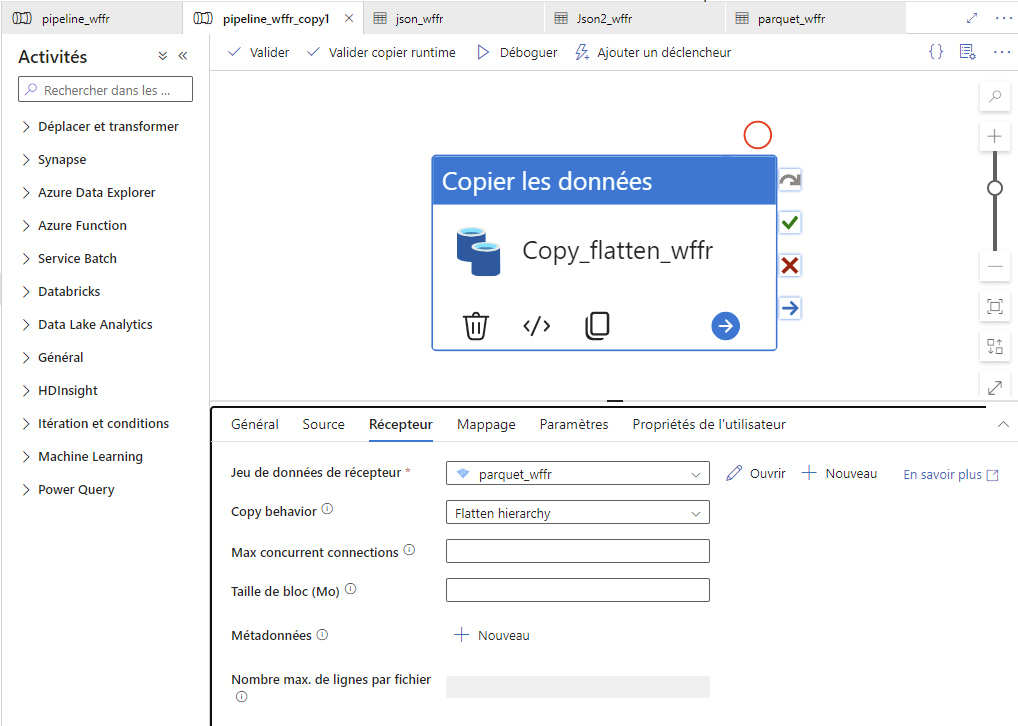
ETL comparison in MS Azure, AWS and GCP
In order to compare how technologies handle data, I set up an ETL funnel in each environement, extracting data from Wikipedia and transforming it into a PARQUET file.
-
How to manage items when your data management tool is very basic
It is sometimes difficult to organize thoughts, ideas or articles when you don’t have access to tags or categories. Here I share with you several trickes I use.
-
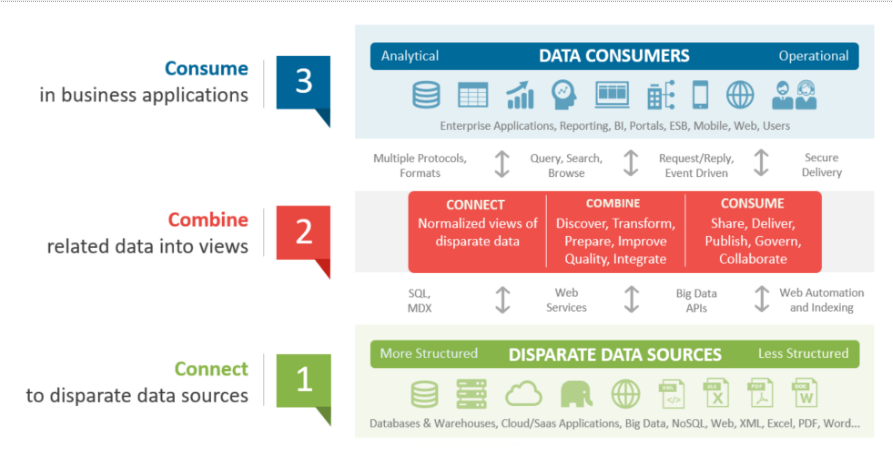
Sharing experience: how to gain from data virtualization
I have worked for 9 months as Delivery Manager Denodo at Forem, and developed its virtualized data architecture and governance.
-
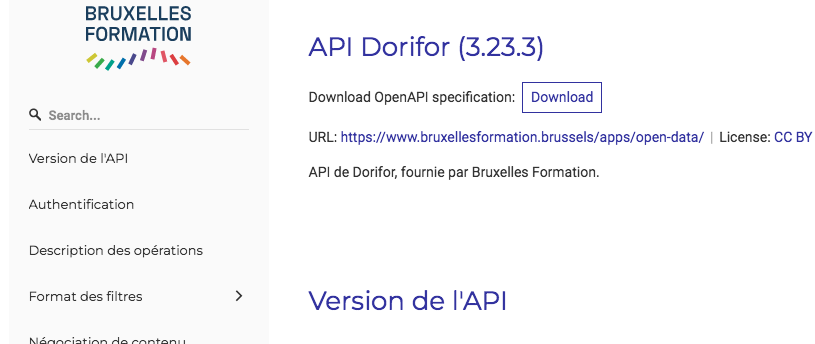
Sharing experience: how to launch an Open Data project
At Bruxelles Formation, my mission was to insert an internal database data into a promotional public website. This database information was already promoted into a more expert public website, so data publicity was not an issue.
-

AI Week Belgium 2023
While I am working on my Master Thesis on KPIs against biases in a Machine Learning process, I attended the AI week in Brussels.
-
From Data to AI
In 2021, I went back to University to add AI project management to my skills. Here is a selection of the most interesting student works I wrote.
-
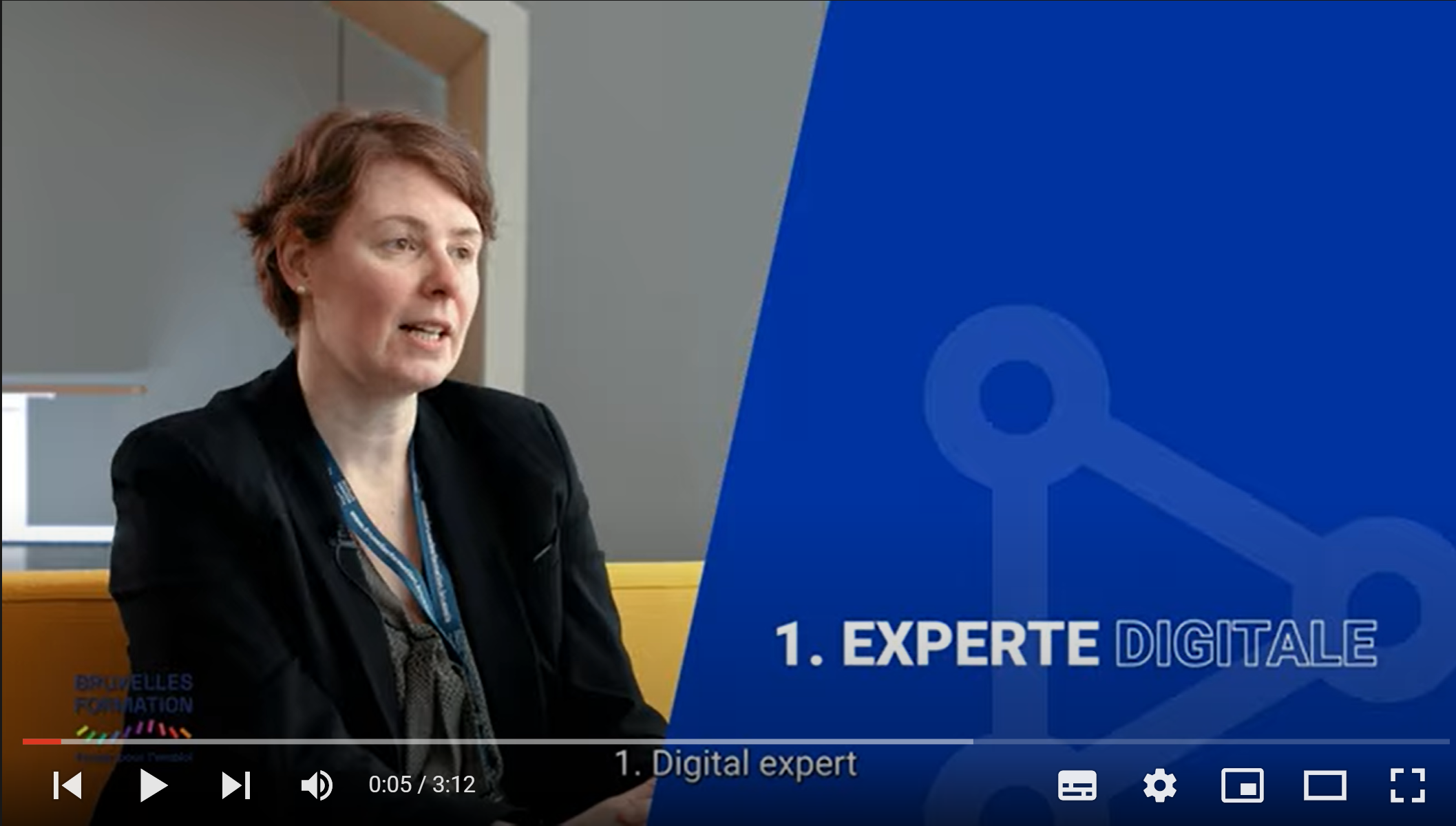
Interview for Digitalcity.brussels
Being Digital expert at Bruxelles Formation, I closely work with all the public institutions in charge of unemployed people in Brussels (like Actiris, Cité des métiers, and also Digitalcity.brussels), in Wallonia (Forem), and in France (Réseau des Cités des métiers).
-
Le gender budgeting, une obligation pour atteindre nos objectifs sociétaux
Espérer atteindre un objectif sociétal tout en posant des freins d’exclusion de plus de la moitié de la population, c’est faisable ? Non, et c’est prouvé scientifiquement.
-
Bruxelles Formation: ergonomics for public inclusion 2020-2021
My mission at Bruxelles Formation was to ensure online resources were accessible, easily usable and easily readable by fragile publics, i.e. unemployed, undergraduated, not-native, socially or financially unsecured people.
-
Notre approche SALT
L’approche SALT combine un cycle de progression en spirale et une intention bienveillante. Elle révèle l’intelligence collective et émotionnelle des communautés qui la pratiquent. Immersive, elle peut paraître difficile à envisager pour les occidentaux. Elle fonctionne néanmoins partout dans le monde depuis 2005. Son origine trouve ses sources dans l’efficacité de certaines communautés du nord de la Thaïlande et du Brésil. Pour vous aider à l’appréhender, essayons de placer des repères connus: son processus est similaire à la démarche appréciative; son cycle de progression en spirale s’apparente à la Roue de Deming, vers une amélioration continue de la qualité; ses codes…